
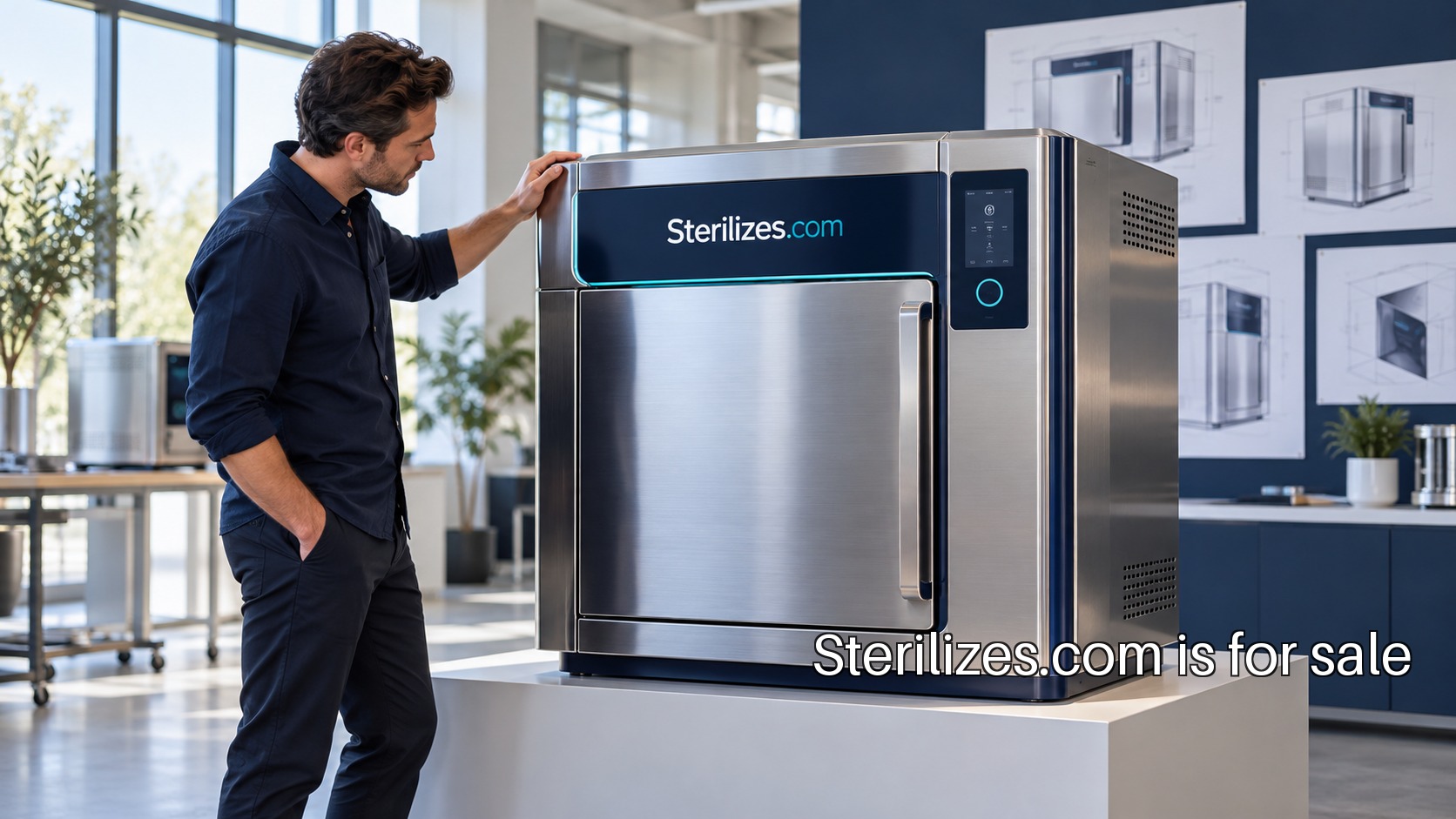
A new equipment brand needs an offer that a buyer can examine closely. I would start this concept with one clearly bounded equipment range, a defined purchasing audience and a product page that makes the next technical conversation easier. Sterilizes could be the company name above that first range, with model names carrying the specific differences. The result would be a specialist brand with room for a second product when the team is ready.
Choose the first buying situation
The initial decision is who buys and why they are reviewing options now. A founder could focus on replacement planning for a particular facility type, a distributor seeking a complementary line or an equipment team developing a new product family. Each situation creates a different sales process. For the first release, choosing one makes it possible to write a useful product introduction and decide which questions a demonstration must answer.
A practical concept brief would name the buyer, the person evaluating the equipment and the people supporting installation and service. Those roles might be different. The website should help each reach the right information without pretending that a single marketing page completes the evaluation. A purchasing contact may need a concise company introduction; a technical reviewer may need a model-specific document; a facilities colleague may need a conversation about site requirements.
Make the range easy to understand
A small range can still be confusing if every model has an unrelated name or the comparison changes between pages. I would define the product taxonomy before commissioning the website. The brand name would stay consistent, while series and model names would describe a deliberate hierarchy. Each model page would use the same order of information, so a reviewer could compare what matters without decoding a new layout.
For a worked first version, imagine a company preparing two models for one customer setting. The product team could create a shared comparison page, separate technical files for each model and a clear contact path for questions outside the published information. Internal review would decide which specifications are approved for publication. The point of the exercise is a coherent buyer experience, not a claim that this illustrated range already exists.
Build the evidence into the publishing process
Equipment marketing needs a document owner, a revision history and a way to withdraw outdated material. Those are business operations choices worth making before launch. A product description written during development should not silently become the final claim on the website. The publishing checklist should connect each claim to the person responsible for approving it and to the current supporting record.
The FDA's manufacturer information on reusable-device reprocessing illustrates why labeling and validation deserve a defined place in product planning. A founder should involve qualified specialists in determining the requirements for the actual equipment and its market. The brand team can support that work by keeping reviewed material traceable and easy to find.
Decide how the company supports a sale
A product launch includes more than a quote form. The founder needs a support boundary, a service route and a clear handoff after the order. Before promising nationwide coverage or a particular response arrangement, the company would need the people and agreements to deliver it. A smaller, explicit launch territory can make the first operational plan easier to manage and explain.
The demonstration process could begin with a short discovery conversation, followed by material selected for that buyer's setting. A commercial proposal would then identify the actual product, scope and responsibilities. Questions that remain open should have an owner and a next step. This produces useful feedback for the product team: which information was missing, where reviewers needed clarification and whether the range matched the chosen purchasing situation.
Test demand before broadening the range
For a pilot, I would track qualified conversations and the questions asked during evaluation. A long list of page views would say less than a record showing that the right reviewers could find the relevant model and request the next document. Interviews after demonstrations could reveal whether the product hierarchy made sense or whether the company needed to narrow its positioning further.
The CDC maintains a guideline for disinfection and sterilization in healthcare facilities. It is useful background for recognizing that this is a specialized working environment, while actual product decisions need their own professional review. Discovery interviews should stay focused on purchasing, documentation and support needs rather than trying to turn a branding exercise into procedural guidance.
Find the first demonstration partners
For the first customer conversations, I would use exhibitor and member directories in the chosen equipment category to identify a small set of specialist dealers already serving the intended facility type. The founder could approach the relevant product manager with a reviewed model summary and an invitation to a demonstration. Each message would explain the specific range and ask whether it fits a gap in that dealer’s portfolio. A short record of replies, introductions and demonstration requests would help the team decide which dealer relationships deserve further attention.
Where Sterilizes fits
The name gives this potential company a direct category identity from the first model introduction. It can appear on the product family, a demonstration space and the website while the series names explain the individual offer. The founder can introduce a specialist equipment company in one sentence, then spend the rest of the conversation on the range being built.
A sensible first milestone would be a reviewed product hierarchy, a complete example model page and a documented support handoff. With those pieces ready, the founder could test the offer through a small number of relevant conversations. Sterilizes.com would be the consistent address bringing that first product story together.