
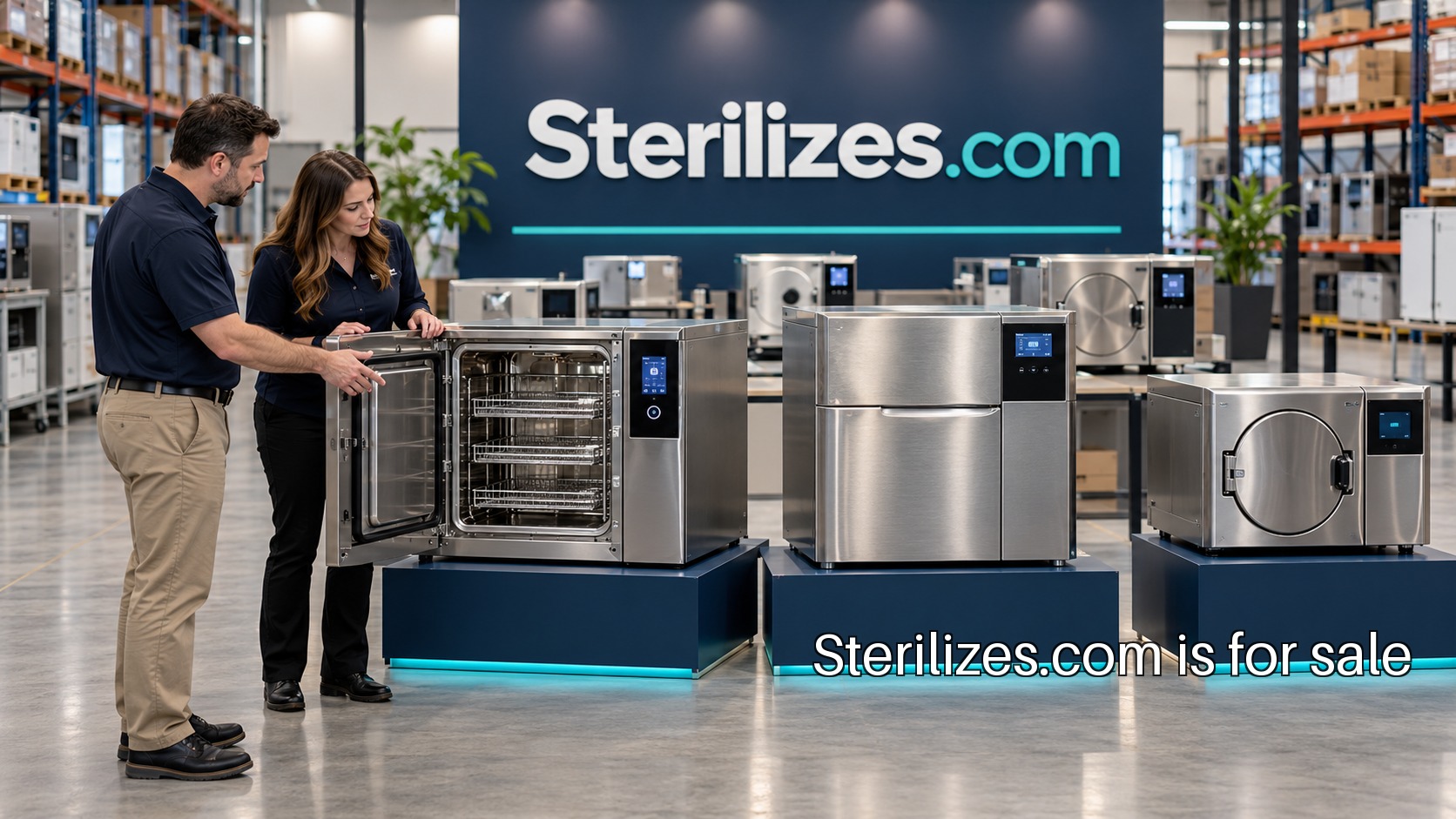
A distributor earns its place by making a defined set of buying decisions easier. For this concept, I would begin with a focused selection of equipment and related products for a specific customer group. Sterilizes could sit above a range drawn from several suppliers, while each manufacturer's identity and product documentation remain clear. The company would build its own role through selection, coordination and dependable commercial support.
Define the gap the distributor fills
A broad catalog is rarely a useful starting point for a new team. The first question is which purchasing task the company can handle well. One route might serve smaller facilities comparing a limited group of equipment options. Another might help an established procurement team coordinate approved suppliers within a narrow category. The founder should choose the task before asking suppliers for a large amount of product data.
The initial customer interviews could explore how a purchase moves from a recognized need to a shortlist, then to a proposal. Where do requests stall? Which information must come from the manufacturer? Who owns the final decision? This is commercial discovery, and the most useful answers will concern specific handoffs. A distributor's first offer should be based on a recurring difficulty it can actually take responsibility for.
Give the catalog a deliberate structure
I would build the first catalog around buying situations rather than a long alphabetical inventory. Each category would explain its scope, show the selected products and identify the next step for a buyer. Filters should reflect distinctions the audience uses. If a filter relies on a technical attribute, the source and meaning of that attribute need to be consistent across suppliers.
Consider a pilot with three suppliers and a limited number of products. The team could agree on one product-data template containing manufacturer identity, model identifier, available documentation, commercial contact and publication approval date. That modest structure creates a repeatable way to add products later. It also gives the team a clear reason to hold a listing back when a supplier has not provided the necessary information.
Preserve the manufacturer's voice where it matters
A distributor has to distinguish its commercial explanation from the manufacturer's product claims. Rewriting technical material for a more attractive card can introduce ambiguity. I would keep approved descriptions in a controlled source record and make it clear which documents come from the manufacturer. Product-data changes would need a review route rather than an untracked edit in the website.
The FDA's information for manufacturers provides context for the importance of reviewed labeling and instructions. The distributor's responsibility in a particular arrangement needs qualified advice. At the business-planning stage, the useful step is assigning who can approve product content and how the current version will reach the customer.
Design the quote and support handoffs
A quote request should ask enough to route a conversation, without presenting the distributor as a substitute for the relevant technical review. The team would need to decide which questions it answers directly and which go to the supplier. A shared record can show the customer question, the assigned contact and the answer approved for return. This prevents the website form from becoming a collection point for inquiries that nobody owns.
The same discipline applies after purchase. The customer needs to know where to direct delivery, warranty and service questions. Agreements with suppliers should support the arrangements presented on the site. If the first version covers a limited geography or certain products, the published scope should make that visible. A narrower service promise that the team can operate is a stronger starting point than an impressive statement with no working handoff.
Build a useful commercial learning loop
A pilot could measure the completeness of requests, the number of supplier clarifications and how often a buyer receives an actionable next step. These are internal operating measures, not marketing claims. They help the founder decide whether adding another supplier would improve the offer or simply create more coordination work. The catalog should expand because it serves the chosen buyer better.
The CDC's healthcare-facility guideline is one public starting point for understanding the specialized context around the category. For the distributor, this reinforces the need to distinguish general commercial content from professional operating guidance. Useful editorial material could explain how to prepare a supplier discussion or organize documents for a purchasing review, keeping actual clinical procedures with the appropriate authorities.
Reach buyers through the supplier network
The first route to customers could begin with the pilot suppliers. The founder would ask each one for permission to introduce the new distribution arrangement to existing regional dealers or purchasing contacts who need the selected range. A joint introductory product session could show the catalog and explain who handles quotes and support. With the suppliers’ agreement, their own dealer-locator pages could identify the distributor’s territory and contact route. This approach ties the first introductions to an actual supplier relationship rather than relying on a broad advertising campaign.
A company name across the range
Sterilizes offers a direct specialist identity that can remain constant as supplier relationships change. The product manufacturers keep their names; the distributor's name identifies the company coordinating the range and the buying conversation. That gives a founder a coherent introduction while leaving room to make the catalog more selective over time.
The first milestone could be a reviewed supplier template, a small publishable catalog and a working inquiry-to-supplier handoff. Testing those pieces with real purchasing roles would reveal what the business needs before it broadens. Sterilizes.com could then become the home for a distribution company built around a clear selection and a repeatable way of supporting it.